Category: Events

  • Historic Firearms Take Center Stage at Fort Lancaster

    Historic Firearms Take Center Stage at Fort Lancaster

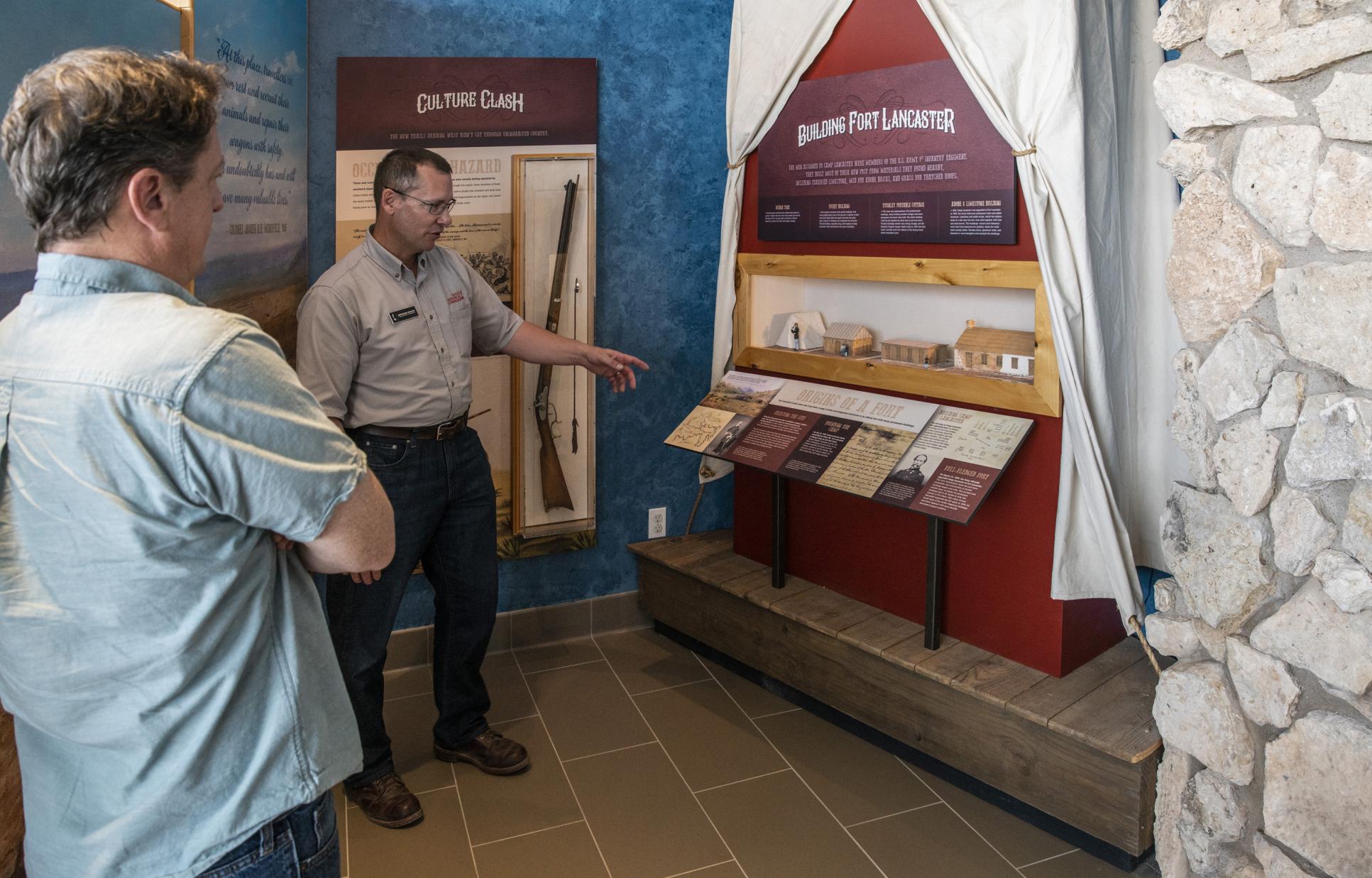
    The Texas historic site will host its second annual Frontier Firearms program on November 21, featuring weapons from multiple periods of American military history.

    Fort Lancaster & Battlefield State Historic Site in Sheffield, Texas, will host its second annual Frontier Firearms program on November 21, 2026, offering visitors an opportunity to examine historic firearms and explore their influence on American military and frontier history.

    Organized by the Texas Historical Commission, the event will feature living-history presenters and examples of historic weapons, including muskets, pistols, rifles, machine guns, and other firearms.

    The program will run from 10 a.m. to 3 p.m. and is intended to demonstrate the evolution of firearms technology while examining the role weapons played in the experiences of soldiers and civilians.

    event info

    According to the official event announcement, the program will emphasize the stories, historical significance, and technological developments associated with the weapons being presented.

    For firearms collectors, these types of programs offer an opportunity to study historic arms in a setting that connects their mechanical development with the circumstances in which they were used.

    The setting itself is particularly appropriate.

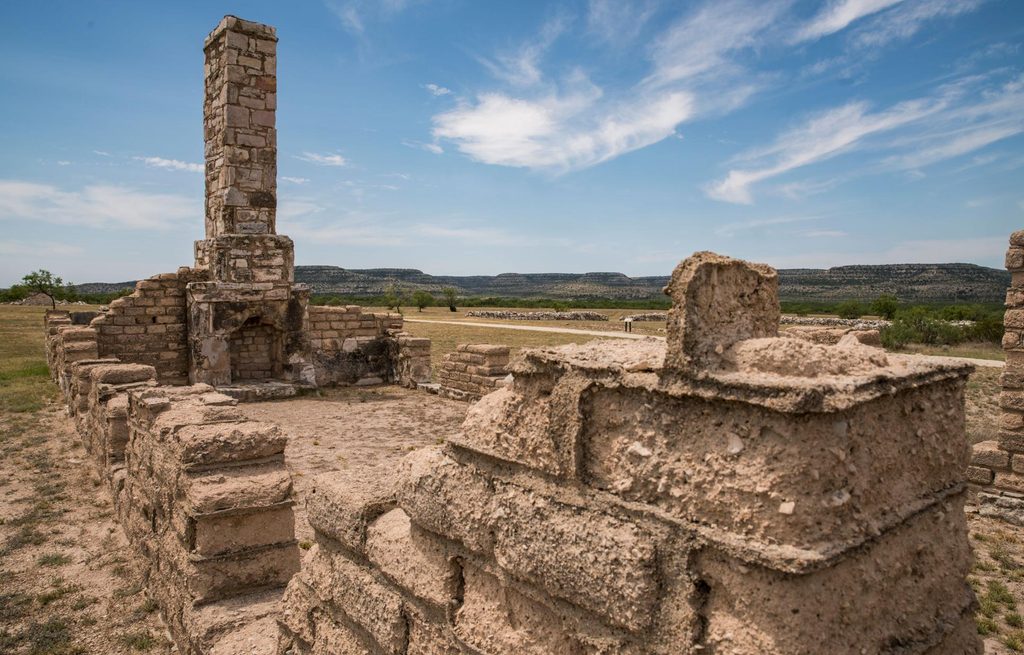
    Fort Lancaster was established in August 1855 to protect travelers along the San Antonio–El Paso Road, an important overland transportation route through West Texas.

    Originally known as Camp Lancaster, the post was formally designated a permanent fort in 1856. Its soldiers provided protection for mail carriers, wagon trains, and settlers traveling through the region.
    Fort Lancaster
    Fort Lancaster

    The site also played a role in the history of the Buffalo Soldiers.

    On December 26, 1867, soldiers of Company K, 9th U.S. Cavalry, defended Fort Lancaster during a major attack. The engagement made Fort Lancaster the only U.S. Army fort in Texas to be directly attacked by Native American forces.

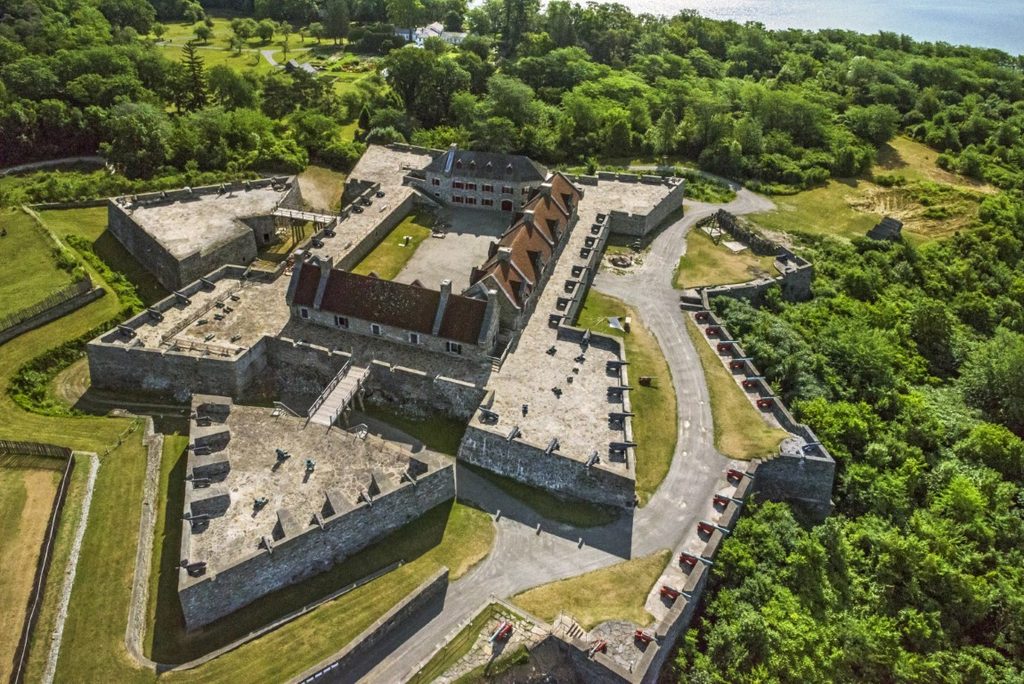
    Today, the historic site preserves the remains of a military installation that once contained more than 30 permanent structures, including barracks, officers’ quarters, a hospital, workshops, and other support buildings.

    Visitors can explore the surviving ruins and learn about the lives of the soldiers stationed at the isolated frontier post.

    Although Fort Lancaster is primarily associated with the mid-19th century, the inclusion of machine guns and other later firearms in the upcoming program will allow visitors to consider technological developments beyond the site’s original period of military occupation.

    TCW recently highlighted a similar approach to military history interpretation in its coverage of the Museum of the American G.I.’s History in Motion event, which featured historic weapons and military equipment demonstrations.

    Programs like these help connect surviving firearms with the people, places, and military experiences that give them historical significance.

    event info

    Frontier Firearms will take place Saturday, November 21, at Fort Lancaster & Battlefield State Historic Site, 629 Fort Lancaster Road, Sheffield, Texas.

    The event is included with regular site admission. Adult admission is $5, with reduced rates available for seniors, veterans, teachers, first responders, and children.

    Additional information is available through the Texas Historical Commission’s Fort Lancaster page and the Frontier Firearms event listing.

  • Historic Weapons, Artillery, and Tanks Return to Action at Texas Military Museum

    Historic Weapons, Artillery, and Tanks Return to Action at Texas Military Museum

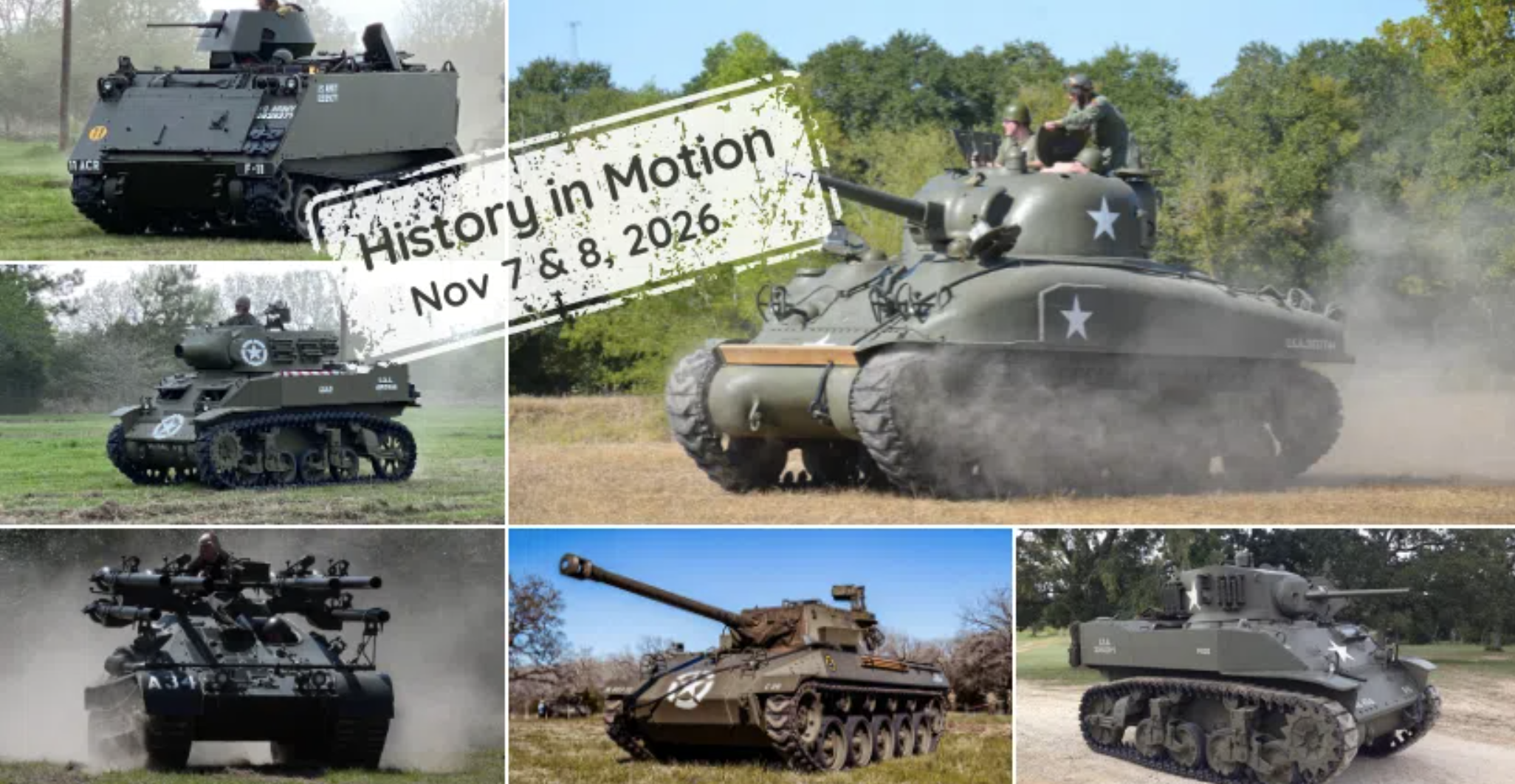
    Historic military weapons, artillery, and armored vehicles will return to action during the Museum of the American G.I.‘s annual History in Motion event. The museum will host the two-day program November 7–8, 2026, in College Station, Texas.

    The event offers visitors an opportunity to experience historic military equipment beyond traditional museum displays. Make sure you’re checking TCW regularly for other updates about museums and events.

    Of particular interest to firearms collectors are the planned weapons demonstrations, which will showcase examples of historic military arms in operation.

    Although the museum has not published a complete list of participating firearms, the demonstrations promise a closer look at the weapons and equipment used by American military personnel.

    For collectors, operational demonstrations can provide context that static displays cannot always convey. Differences in loading procedures, handling, and firing characteristics become more apparent when historic weapons are demonstrated.

    The museum will also conduct artillery demonstrations, including a finale scheduled to conclude each day’s activities.

    Beyond firearms, History in Motion will showcase the museum’s collection of restored military vehicles. The institution specializes in preserving equipment associated with American military service, particularly World War II and the Vietnam War.

    museum of the american gi

    Visitors can watch two major vehicle demonstrations each day. The museum will also offer opportunities to ride in historic tanks and military vehicles, including a Vietnam-era M113 armored personnel carrier.

    New living history displays will explore American military life from the Civil War through Vietnam. These presentations will feature period uniforms, equipment, and camp life, providing additional context for the weapons and vehicles on display.

    For military collectors, the event provides an opportunity to observe the relationship between individual weapons, crew-served equipment, and the vehicles that supported American troops.

    It also demonstrates the importance of preserving operational artifacts. Restoring and maintaining historic military equipment allows museums to interpret how these objects functioned rather than simply displaying their appearance.

    History in Motion takes place at the Museum of the American G.I., 19124 Highway 6 South, College Station, Texas.

    Gates open at 9 a.m., with programming running from 10 a.m. to 3 p.m. on both days.

    Admission costs $25 for adults and $10 for children ages 5–17. Children younger than five enter free. These are cash admission prices. Online tickets are also available.

    Free parking is available at Santa’s Wonderland’s Blitzen Lot. The museum building will remain closed during the outdoor event.

    Additional information, including tickets and vehicle ride reservations, is available through the museum’s official event page.

  • Ruger Collectors Take Center Stage at November Tulsa Arms Show

    Ruger Collectors Take Center Stage at November Tulsa Arms Show

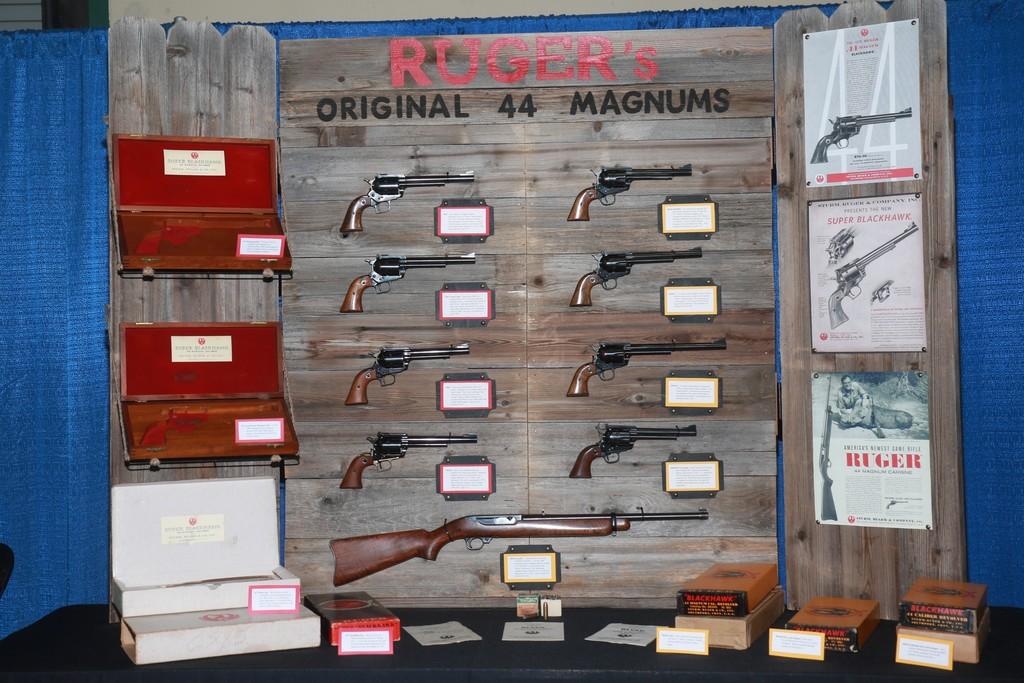
    Wanenmacher’s Tulsa Arms Show returns for its bi-annual event on November 14–15, 2026, with the Ruger Owners & Collectors Society (ROCS) prominently featuring their displays as questions surround the future of several discontinued Ruger models.

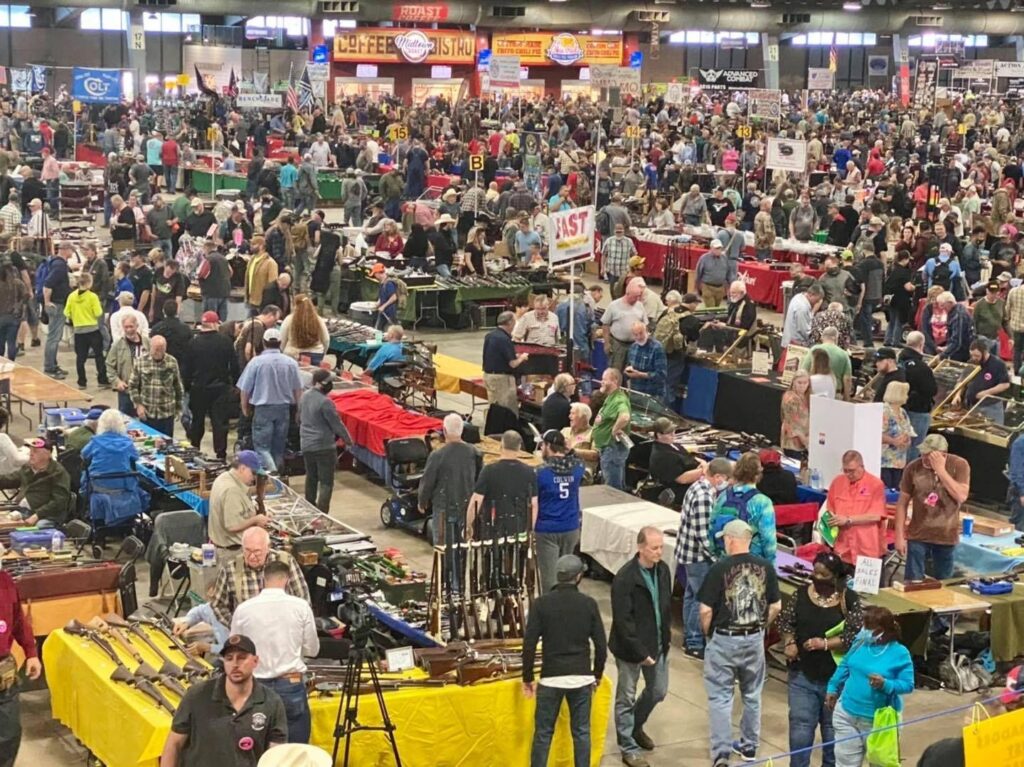
    The show will fill Tulsa’s Expo Square with more than 4,200 tables of antique and modern firearms, knives, and related collectibles. Organizers describe the event as the world’s largest gun show, occupying approximately 11 acres of indoor exhibition space.

    ROCS brings together enthusiasts interested in the history, development, and collecting of firearms manufactured by Sturm, Ruger & Co, and the collector’s club will hold its 13th annual Tulsa display show in November.

    ROCS members are encouraged to exhibit their collections in a dedicated Ruger display area. The organization also plans an awards banquet and other activities during the weekend.

    The timing is particularly interesting for Ruger collectors.

    Earlier this month, The Collector’s Wire examined Ruger’s decision to discontinue several major firearm models, including the potential consequences for collectors.

    Although discontinued production does not automatically increase a firearm’s value, it can change how collectors view particular models and variations.

    Original configurations, production numbers, mechanical differences, and surviving condition all influence collectibility. Models that receive relatively little attention while in production can develop dedicated followings after manufacturing ends.

    The Tulsa gathering offers an opportunity to examine Ruger’s history through collections assembled by knowledgeable enthusiasts.

    Collector displays can highlight rare variations, limited-production models, factory presentation firearms, and other historically significant examples. They also provide opportunities to compare firearms that collectors might otherwise encounter only in books or photographs.

    For attendees interested in Ruger history, the society’s dedicated displays could prove as worthwhile as the thousands of commercial tables.

    tulsa arms show
    Tulsa Arms Show

    Beyond Ruger, the Tulsa Arms Show will feature antique firearms, military collectibles, edged weapons, accessories, and related historical material.

    The event takes place at Expo Square, 4145 East 21st Street, Tulsa, Oklahoma.

    Doors open Saturday, November 14, from 8 a.m. to 6 p.m., and Sunday, November 15, from 8 a.m. to 4 p.m.

    Admission is $15 on Saturday and $10 on Sunday, with children under 12 admitted for $3 per day. Admission is cash only.

    Collectors can find additional information through the official Tulsa Arms Show website and the Ruger Owners & Collectors Society’s Tulsa event page.

  • Rock Island Arsenal Museum Vault Program on Oct 28

    Rock Island Arsenal Museum Vault Program on Oct 28

    Rock Island Arsenal Museum will highlight rarely seen knives during a free public program on October 28, 2026. “From the Vault: Knives, Knives, Knives!” runs Wednesday from noon to 1 p.m. Central in Rock Island, Illinois.

    Even though the program’s focus is on knives, the rest of the museum is worth seeing while you’re there as the Arsenal’s history with firearms production cannot be overstated.

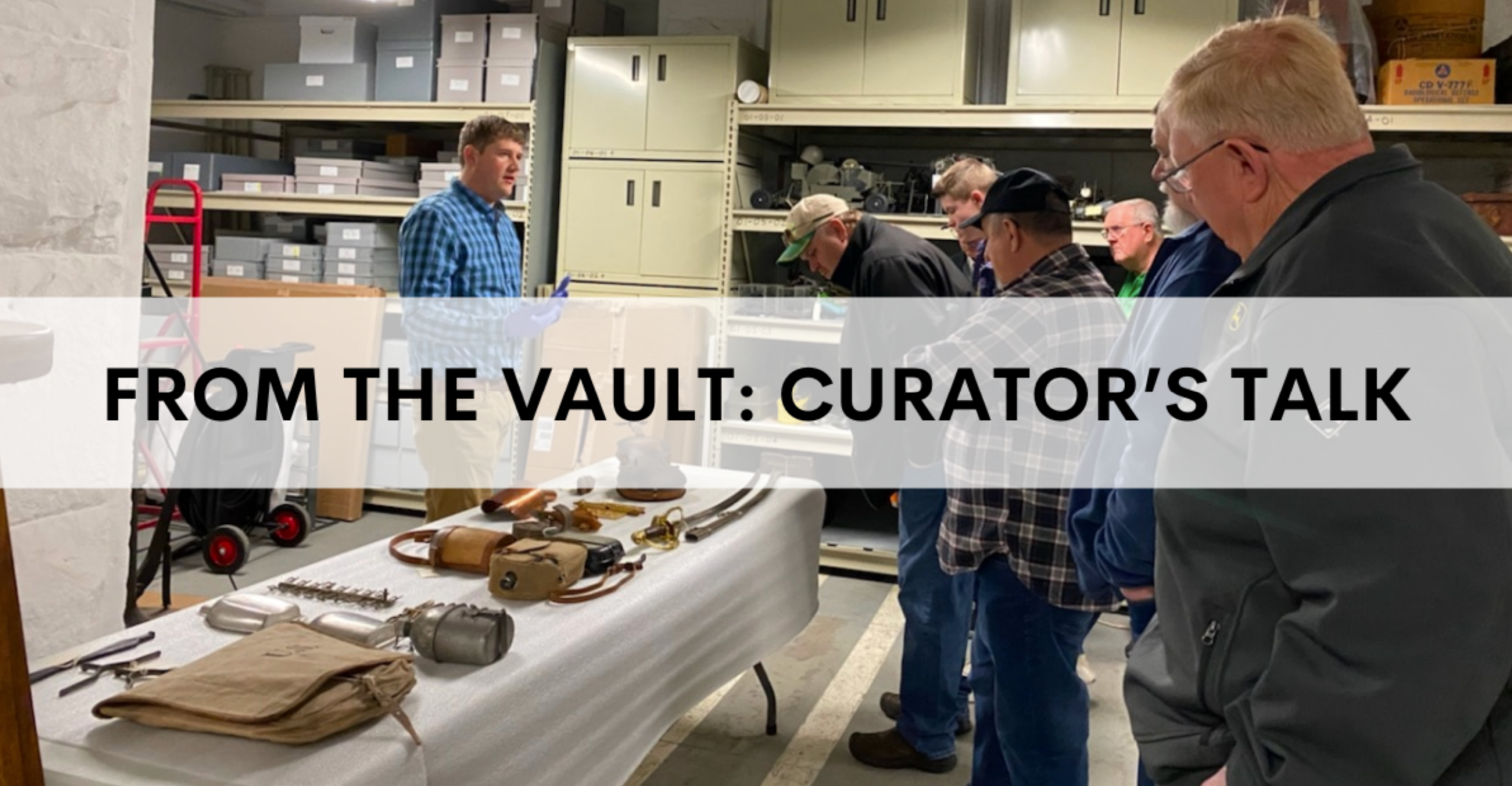
    Curators will share objects from the museum’s knife collection and explain their connections to the Arsenal’s history. The program gives military arms collectors an opportunity to learn about artifacts they might not encounter during a typical visit. It continues the museum’s “From the Vault” series, which explores the installation’s history through collection objects and their stories.

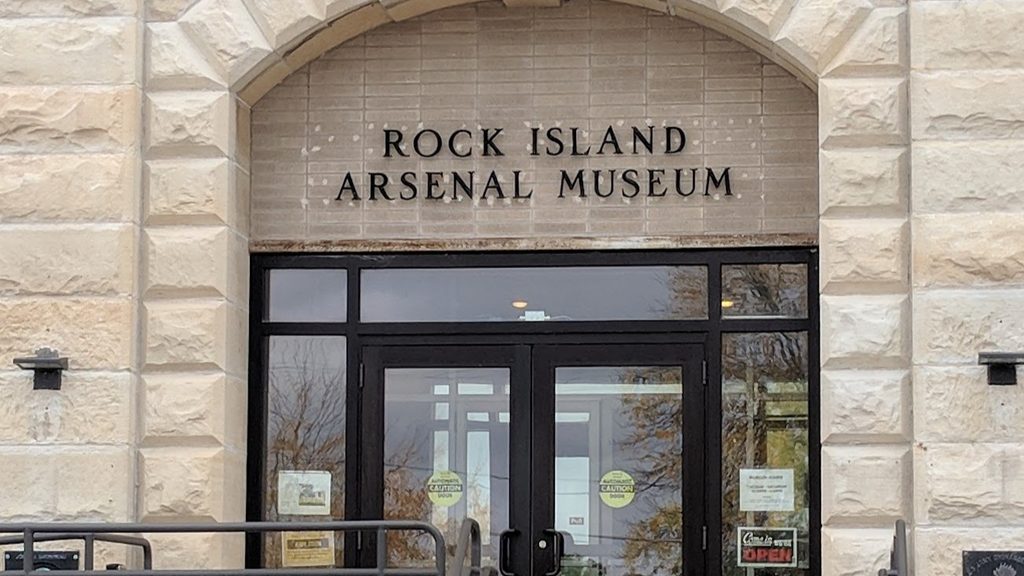
    The museum opened July 4, 1905, making it the U.S. Army’s second-oldest museum, behind West Point. Its history and collections reflect the Arsenal’s longstanding role in military manufacturing. Firearms collectors will recognize two products manufactured there: Model 1903 rifles and Browning machine guns.

    Permanent exhibits trace the island’s history from 1805 to the present. They combine more than 250 artifacts with photographs and interactive displays.

    Rock Island Arsenal Museum

    The museum reopened in June 2023 following an extensive renovation focused on the Arsenal’s people, work, and impact. If you’ve been before but you haven’t been back since the reopening, be prepared to see a dramatically different museum.

    Visitors will find the museum in Building 60 at 3500 North Avenue. Regular hours are Tuesday through Saturday, 10 a.m. to 4 p.m. Admission to both the museum and the October 28 program is free. The museum closes Sundays, Mondays, federal holidays, and the day after Thanksgiving.

    Because Rock Island Arsenal remains an active military installation, visitors should allow time for entry procedures. Approach through the Moline Gate. First-time visitors must stop at the Visitor Welcome Center, located outside that gate at 23 Prospect Drive, Moline. The center operates daily from 7 a.m. to 3 p.m.

    Adults seeking unescorted access without approved DoD or federal credentials need a visitor pass and a favorable criminal background check. This requirement applies to each visitor age 18 or older in the vehicle. Bring a physical REAL ID or U.S. passport. A noncompliant state ID requires an approved secondary document listed in the Army’s visitor guidance. Digital IDs are not accepted.

    Drivers must carry a current license, vehicle registration, and proof of insurance. The Army estimates processing at five to eight minutes per person, so arrive early. Personal firearms are prohibited. Foreign nationals may enter only for official business. Direct access questions to the Visitor Welcome Center at 309-782-1337.

    For museum or program information, call 309-782-5021.

  • Fort Ticonderoga’s Hold the Line for Liberty Set for October 24–25

    Fort Ticonderoga’s Hold the Line for Liberty Set for October 24–25

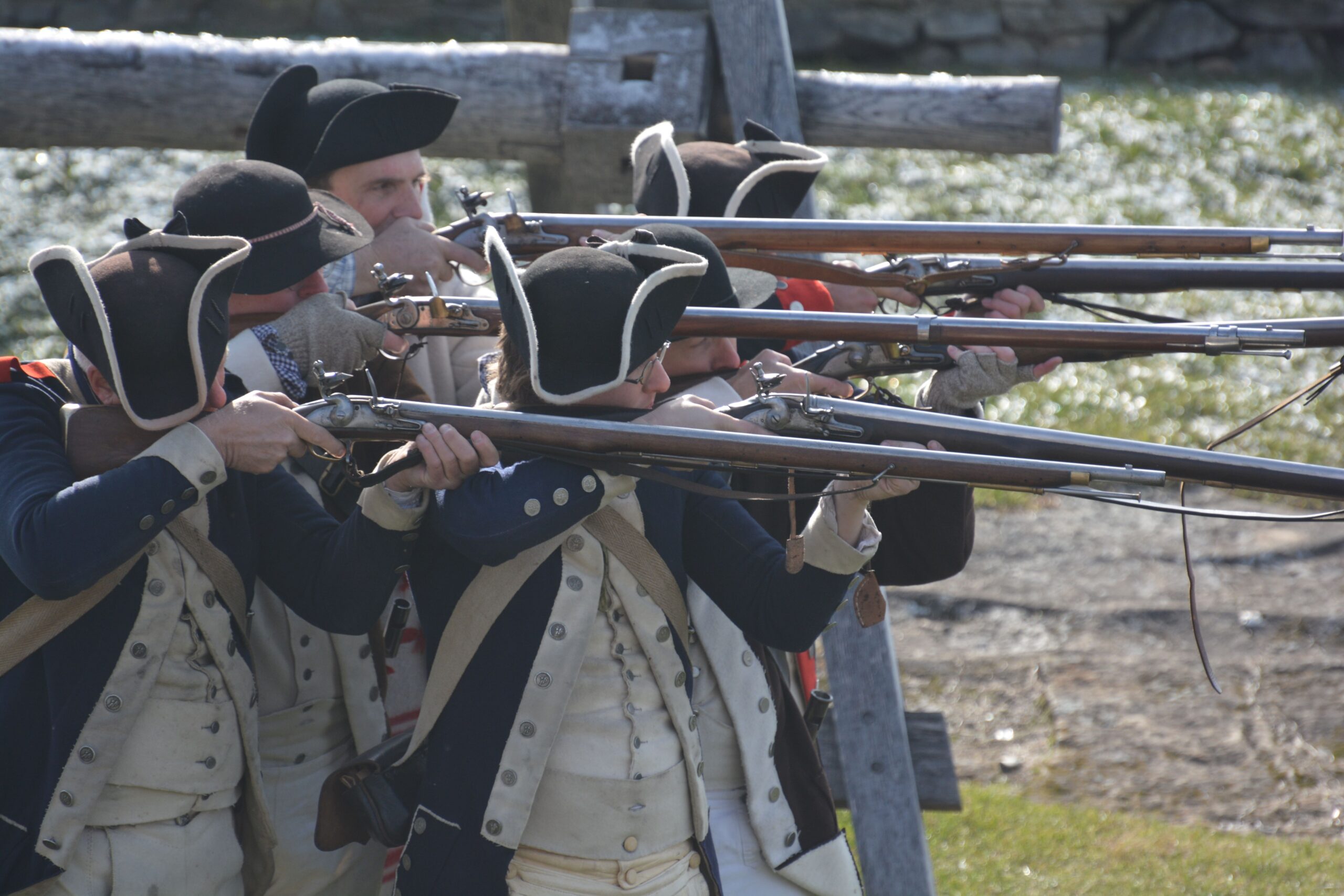
    Fort Ticonderoga will revisit the American defense that helped halt Britain’s 1776 advance during Hold the Line for Liberty, October 24–25.

    The two-day event in Ticonderoga, New York, combines reenactments, weapons interpretation, and museum tours during the campaign’s 250th anniversary. Programming will feature muskets, cannon, and gunboats.

    The event commemorates the American stand of October 28, 1776. Nearly 13,000 Continental soldiers and militia defended Ticonderoga and Mount Independence after months of preparation. They constructed fortifications and mounted cannon to protect the Lake Champlain corridor. Following the fighting at Valcour Island, British forces confronted those defenses and an approaching winter. They ultimately withdrew north to Canada.

    For collectors, the fort’s published equipment guidelines provide a useful look at how researchers reconstruct that army.

    For example, the artillery guide favors older British, commercially made, and American-made muskets, alongside New England fowling pieces. It also lists acceptable alternatives and excludes later French musket models.

    Fort Ticonderoga

    Historical documentation appears alongside those modern participation standards. The guide cites Captain Ebenezer Stevens’s March 1776 request for four carbines for his officers. It describes his company’s broader assortment of arms and accoutrements as likely resembling those carried by Massachusetts soldiers. That distinction separates a documented request from an inference about equipment.

    Visitors can also examine physical evidence from the campaign. The exhibition Run Aground: Remnants from the Royal Savage features an original cannon carriage recovered from the American schooner’s wreck. Located in the Mars Education Center, the display connects visitors with a surviving object from the Battle of Valcour Island.

    The Bullets & Blades exhibition offers a broader look at the museum’s firearms and edged weapons. Its displays explore their development and regional variations across the colonial and Revolutionary periods. Together, these collections give visitors opportunities to compare reconstructed equipment with original objects.

    Saturday’s schedule includes an alarm scenario at 11 a.m. and an artillery-and-gunboat reenactment at 2 p.m. Sunday features a Lake Champlain channel reenactment at 11 a.m., followed by a British withdrawal scenario at 1 p.m.

    Museum tours run at 11:30 a.m. and 2:30 p.m. both days. The fort opens from 9:30 a.m. to 5 p.m.; all times are Eastern.

    Event programming is included with general admission, and tickets remain valid for two consecutive days.

  • Texas Gun Collectors Association Prepares for Fall Show in Denton

    Texas Gun Collectors Association Prepares for Fall Show in Denton

    Submitted by Murry Cathlina, TGCA President

    “The best collector gun show in Texas!”

    If you like collectible guns, you’ll love this show. All firearms are antique or curio & relic. No modern guns or ammo.


    Over 300 tables including 26 tables of display competition, including guns that are typically not available to the general public.

    Embassy Suites and Convention Center
    3100 Town Center Trail
    Denton, TX 76201

    Open to members at 8 am on Friday, Saturday and Sunday.
    Public hours:
    Friday – Noon to 5pm
    Saturday – 9am to 5pm
    Sunday – 9am to 3pm

    Public Admission – $10
    TGCA members, law enforcement, first responders – free admission
    Members of any other gun club – free admission

  • OVMS Brings 431 Tables of Historic Arms and Militaria to Wilmington, Ohio

    OVMS Brings 431 Tables of Historic Arms and Militaria to Wilmington, Ohio

    The Ohio Valley Military Society will return to Wilmington, Ohio, later this month for its final show of 2026.

    The event runs October 29–31 at the Roberts Centre. Organizers expect 431 tables of historic arms and military antiques.

    Dealers from across the country will bring antique firearms, uniforms, swords, medals, daggers, photographs, flags, and related material.

    Most of the objects date from the Civil War through World War II. That makes the show especially relevant for collectors who focus on military firearms and their associated material culture.

    The Ohio Valley Military Society has built its events around that combination for decades.

    OVMS describes itself as one of the oldest and largest militaria collector organizations in the world. The group currently reports more than 2,000 members. Its stated mission centers on the study and collecting of historic military artifacts.

    Firearms form an important part of that mission. A military rifle or handgun often becomes more useful to researchers when studied alongside uniforms, photographs, documents, field equipment, and unit-marked objects.

    Shows like Wilmington can bring those categories together under one roof.

    The variety also gives collectors a chance to study items they may rarely encounter locally. Civil War arms can appear beside World War I pistols, World War II rifles, edged weapons, medals, and bring-back souvenirs.

    Provenance remains a major concern in every category.

    Collectors should still examine markings, originality, restoration, and documentation carefully before buying. That becomes especially important with historically attributed pieces.

    Public admission begins at noon Friday and runs until 5 p.m. Saturday hours run from 9 a.m. to 3 p.m.

    One-day admission costs $7. A two-day pass costs $10.

    ovms banner

    OVMS members may enter beginning at 10 a.m. Friday. Membership is available at the door.

    The organization also publishes The Military Historian and maintains archives of earlier issues for collectors and researchers.

    The Wilmington show follows OVMS’s September MAX Show in York, Pennsylvania.

    Its next major event will be the 2027 Show of Shows in Louisville, Kentucky. That gathering typically operates on a much larger scale.

    For collectors who do not want to wait until February, Wilmington offers a more immediate opportunity. The combination of historic arms, military antiques, and specialist dealers makes it more than a general gun show. It functions as a focused marketplace for objects tied directly to military history.

  • Springfield Armory’s ‘Muskets to Motors’ Traces 250 Years of American Innovation

    Springfield Armory’s ‘Muskets to Motors’ Traces 250 Years of American Innovation

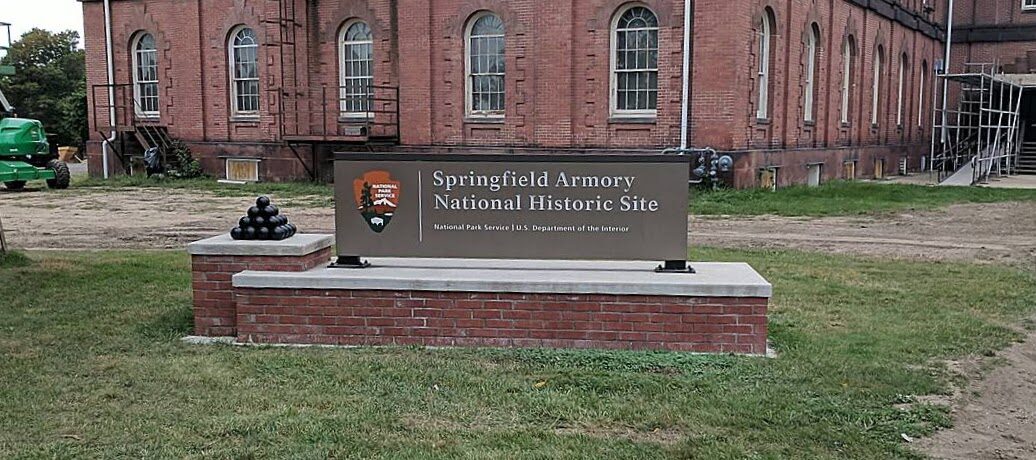
    Springfield Armory National Historic Site will look beyond firearms later this month to tell a broader story of American manufacturing.

    The park will host “From Muskets to Motors: 250 Years of Innovation” on October 17 in Springfield, Massachusetts. The free car and motorcycle show runs from 11 a.m. to 2 p.m.

    The Friends of the Springfield Armory National Historic Site will partner with the National Park Service for the event. Organizers will display cars and motorcycles from several eras of American transportation. The cutoff date carries particular significance. All participating vehicles will date to 1968 or earlier, the year the U.S. Army closed Springfield Armory.

    That connection gives the event its “Muskets to Motors” theme. Springfield Armory spent nearly two centuries at the center of American military-arms development. George Washington supported Springfield as a Continental Army arsenal during the Revolutionary War. The federal government began manufacturing muskets there in 1794.

    The Armory eventually influenced much more than firearm design. Its workers and engineers helped develop manufacturing methods built around machinery, standardization, and interchangeable parts. Those developments influenced American industrial production far beyond the gun trade.

    Visitors can examine vehicles that represent different periods of transportation history. Organizers will also offer food and information vendors during the show. Spectator admission is free.

    The museum will remain part of the experience. Springfield Armory National Historic Site preserves one of the world’s major collections of military small arms. The collection began as a technical reference resource for the Armory’s own workers and engineers. Today, the National Park Service preserves firearms, archival material, artwork, archaeological collections, and other objects connected with the site.

    That makes the location especially appropriate for an event devoted to technological change. Visitors can move from machines designed to manufacture military arms to later machines that transformed American transportation. Both industries relied heavily on precision manufacturing, standardized components, and mass production.

    muskets to motors

    The event also fits into the site’s broader America 250 programming. Springfield Armory currently hosts a special exhibition on its Revolutionary War origins. The exhibit examines why Washington and Henry Knox selected Springfield for the Continental Army’s arsenal. It includes historic French muskets and a French cannon.

    Together, the exhibition and vehicle show bookend a long period of American industrial development.

    Springfield began as a strategic military site during the Revolution. It later became one of the country’s most important centers for firearms design and manufacturing. The Army finally closed the facility in 1968.

    The National Park Service reopened the historic armory as a national historic site in 1978. The museum now occupies the former Main Arsenal building.

    “From Muskets to Motors” takes place Saturday, October 17, from 11 a.m. to 2 p.m. Admission is free. Organizers have scheduled October 24 as the rain date.

  • Revolution on the Rappahannock Brings Arms-Making History to Falmouth, VA

    Revolution on the Rappahannock Brings Arms-Making History to Falmouth, VA

    Hosted by the Freedom Forge Foundation, the organization’s Revolution on the Rappahannock weekend will take place at Pratt Park in Falmouth, Virginia, on October 10 and 11. The free event combines living history, firearms interpretation, historical talks, site tours, and family programming.

    Saturday begins with a three-hour symposium at 9:30 a.m. Historians will examine James Hunter, his iron works, and the site’s role in the American Revolution.

    The firearms connection will take center stage during several presentations. Craig Bell of the American Society of Arms Collectors will discuss guns made at James Hunter’s Rappahannock Forge. Barbra Anderson of Historic Fredericksburg Foundation will examine James Hunter and Fredericksburg’s gunnery. Other speakers will address preservation, self-emancipation at the iron works, and Hunter’s broader legacy.

    The main event runs from 1 to 5 p.m. Saturday. Visitors can see living-history demonstrations, historic weapons, uniforms, artifacts, blacksmithing, and exhibits from regional museums and historical societies.

    Reenactors portraying the Commander-in-Chief’s Guard will conduct a drill at 1:30 p.m. George Washington created the original guard in 1776. Its soldiers protected Washington, his headquarters, official papers, supplies, and military stores during the war.

    The weekend also highlights the importance of Hunter’s Iron Works to the Revolutionary War.

    freedom forge foundation

    Freedom Forge Foundation describes Hunter’s complex as the largest iron and gun manufacturing center in 18th-century North America. It produced weapons, troop equipment, camp kettles, naval fittings, and other essential iron goods. The organization argues that Washington’s army relied heavily on the muskets, tools, and equipment produced there.

    That firearms connection gives the event particular relevance for collectors. Bell’s presentation will focus specifically on weapons made at the Rappahannock Forge. The historic arms displays will give visitors another opportunity to examine the material culture surrounding the Revolution.

    Organizers will also offer historic site tours Saturday at 5 p.m. Those tours cover Falmouth Historic Cemetery and the Union Church site.

    Programming continues Sunday with the “Plaid to the Bone” 10K at 8 a.m. The race highlights local Scottish heritage and includes participation from Clan Hunter. A second round of historic site tours begins at 11 a.m.

    Freedom Forge Foundation hopes the weekend will also draw attention to preservation. The organization says Hunter’s operation faded from public memory partly because it operated as a private enterprise. Time and nature eventually erased much of the physical complex.

    Revolution on the Rappahannock is free and open to the public. Freedom Forge Foundation encourages advance registration and accepts donations to support the event and preservation work.